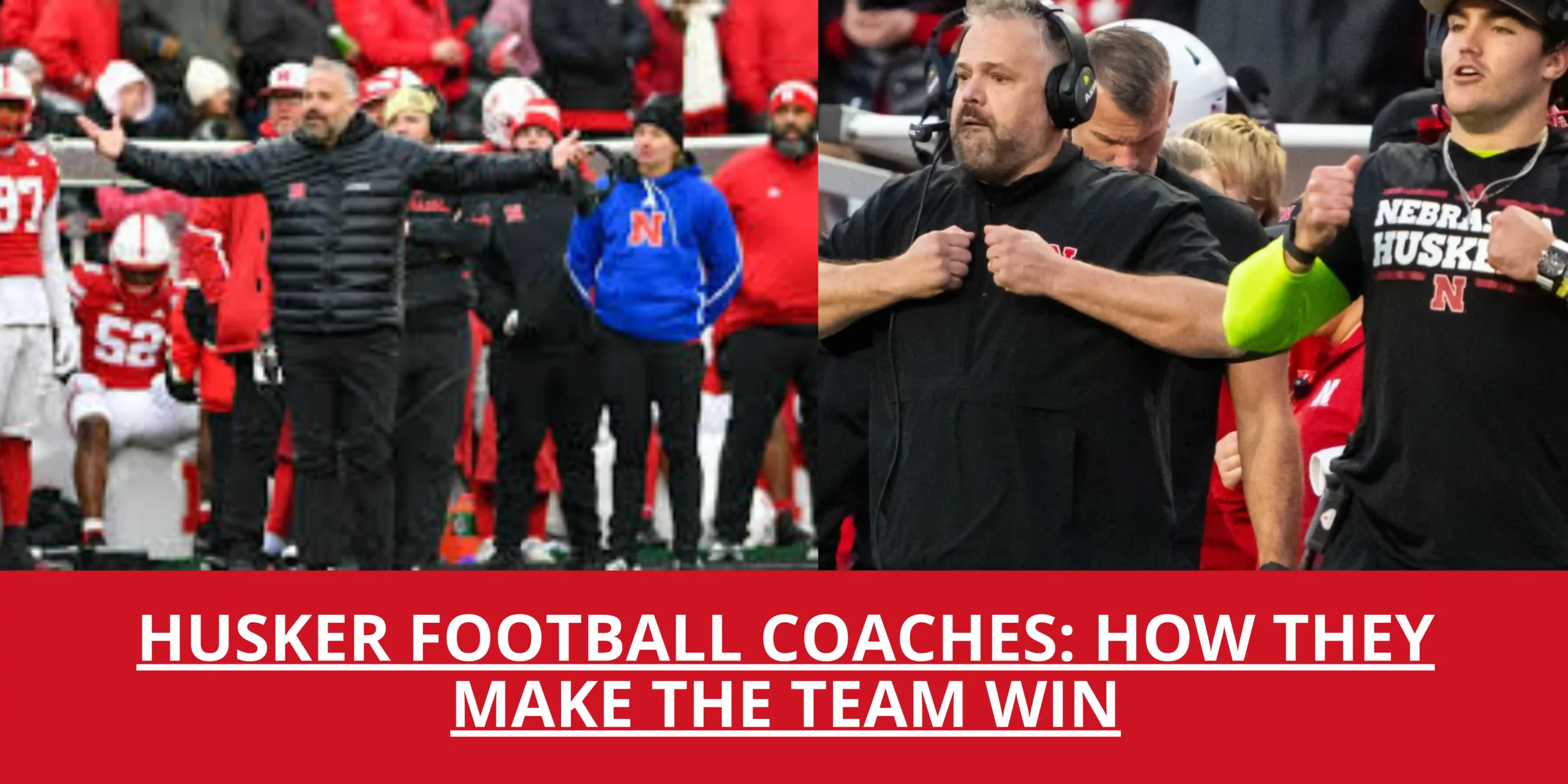

Husker football coaches are the backbone of the team’s success. They do much more than teach the game—they plan strategies, motivate players, and build a disciplined, cohesive team. Every decision a coach makes, from practice routines to game-day calls, directly impacts the team’s performance.
At the start of each season, coaches study the team carefully. They analyze each player’s strengths and areas that need improvement. Clear goals are set, and structured training plans are created to enhance skills, strength, and discipline. Coaches observe every practice, noting what works and what needs adjustment, ensuring players are ready for each challenge.
Nebraska Football Coaches 2026
| Name | Position |
|---|---|
| Matt Rhule | Head Coach |
| Rob Aurich | Defensive Coordinator |
| Dana Holgorsen | Offensive Coordinator |
| Mike Ekeler | Special Teams Coordinator |
| Phil Snow | Associate Head Coach |
| E.J. Barthel | Assistant Coach – Running Backs |
| Rob Dvoracek | Assistant Coach – Linebackers |
| Roy Manning | Assistant Coach – Defensive Edges |
| Marcus Satterfield | Assistant Coach – Tight Ends |
| Daikiel Shorts Jr. | Assistant Coach – Wide Receivers |
| Lonnie Teasley | Run Game Coordinator |
| Glenn Thomas | Co-Offensive Coordinator – Quarterbacks |
| Phil Simpson | Assistant Coach – Outside Linebackers |
| Geep Wade | Assistant Coach – Offensive Line |
| Addison Williams | Assistant Coach – Secondary |
| Ron Brown | Fullbacks/Returners |
Daily Communication and Player Guidance
Communication is key in coaching. Coaches interact with players every day, explaining drills, correcting mistakes, and providing encouragement. When a player struggles, a coach steps in with calm guidance, helping them regain confidence. This consistent support fosters trust and strengthens the bond between the team and coaching staff.
Off the field, coaches help players manage their academic responsibilities and personal growth. They encourage athletes to stay disciplined, attend classes, and balance sports with studies. Many players seek advice from coaches, knowing they will receive mentorship and practical guidance that goes beyond football.
Game Preparation and Strategy
Preparing for games is a meticulous process. Coaches study opponents’ past performances to identify patterns, strengths, and weaknesses. This analysis allows them to design effective strategies tailored to each matchup. Plans are then communicated clearly to players, ensuring every individual understands their role and responsibilities.
During games, coaches remain active and attentive on the sidelines. They monitor every play, adjust strategies, and provide quick instructions to guide players. Their decisions can change the momentum of a match, highlighting the importance of experience, composure, and quick thinking.
Recruiting Future Talent
Recruiting is a critical part of a coach’s role. Coaches travel extensively, watch school games, meet young athletes, and communicate with families. They seek players who not only have talent but also display discipline, determination, and a positive attitude. Finding the right players ensures the long-term success and sustainability of the program.
Recruitment focuses on building a team that reflects Husker values: hard work, teamwork, and leadership. Coaches carefully evaluate candidates to ensure they contribute positively to the team culture.
Creating a Positive Team Culture
Husker coaches work year-round to maintain a supportive and disciplined environment. They encourage teamwork, resilience, and leadership. Players are motivated to give their best while learning valuable life skills such as responsibility, commitment, and time management.
A positive team culture extends beyond the field. Coaches foster an environment where players feel safe, supported, and inspired to improve continuously. This culture not only boosts performance but also prepares athletes for challenges beyond football.
Balancing Multiple Roles
A coach’s role is multifaceted. Beyond teaching and strategizing, they mentor players, plan long-term development, and maintain constant communication with staff and families. Balancing these responsibilities requires patience, dedication, and a deep understanding of both the game and people management.
By combining guidance, leadership, and strategic thinking, Husker coaches ensure that the team grows stronger with each season.
Life Lessons Beyond Football
Being a Husker coach is more than just managing a team—it’s shaping the lives of young athletes. Coaches instill discipline, resilience, teamwork, and leadership in every player. These lessons stay with athletes long after college, helping them succeed in careers and life.
The commitment and hard work of Husker coaches create a foundation for future success. Their guidance ensures players are not only skilled athletes but also responsible, confident, and motivated individuals.